Posted on May 03, 2023 under
General,
Trip Planning ResourcesIf you are still hoping to explore Alaska’s arctic with us this summer, it’s not too late! We still have a few spaces on trips in both the Arctic National Wildlife Refuge and Gates of the Arctic National Park. All of these trips combine spectacular landscapes, outstanding guides, and quality gear to give you the…
Read More...
Posted on January 20, 2023 under
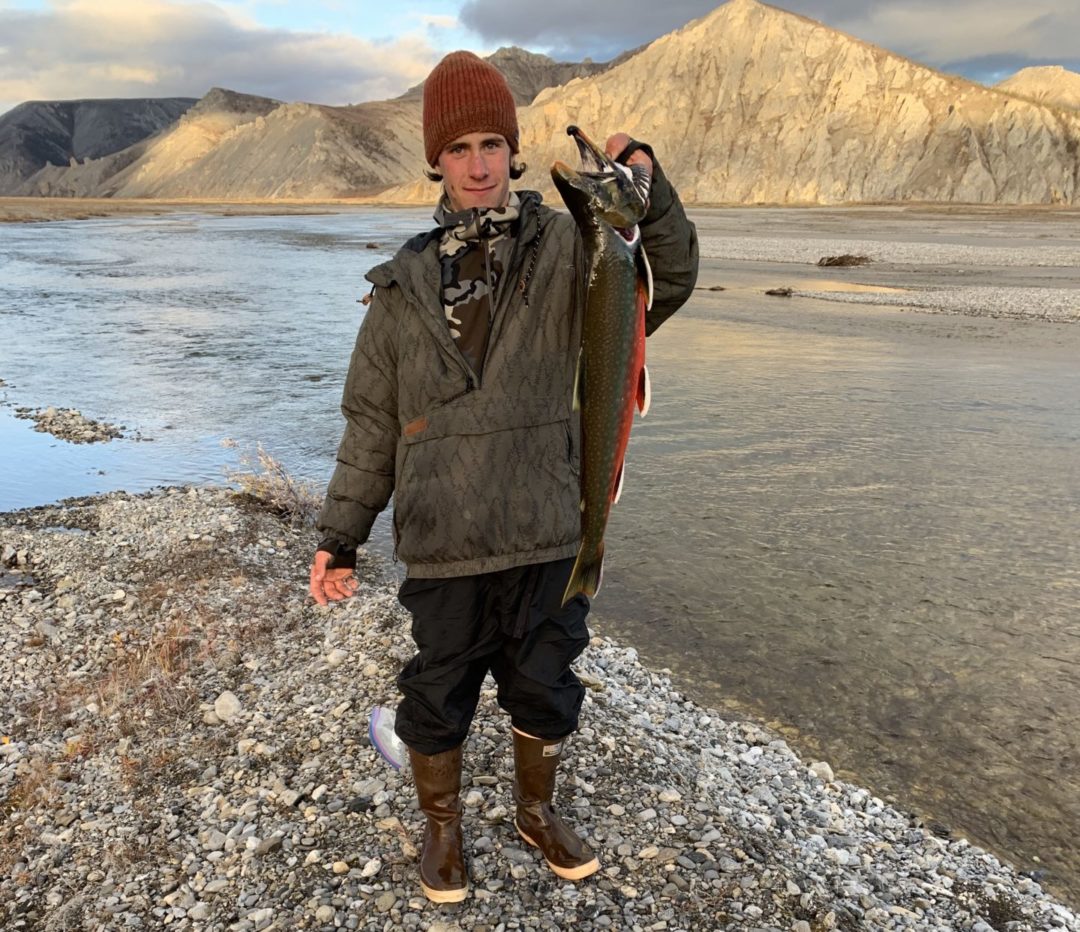
Natural HistoryIn Arctic Alaska we have two fish species that look very similar, Arctic Char (Salvelinus alpinus) and Dolly Varden (Salvelinus malma). To add to the confusion (and I’m as guilty as anyone), Dolly Varden are commonly referred to as char. If that wasn’t bad enough, char is a large group of fish that includes Arctic…
Read More...
Bear Safety
This is a fantastic video about safety in bear country from the leaders in the field. We recommend you watch it in advance of your trip to the arctic. It will be a good supplement to the in-person training and information you will receive from your guide. Arctic Wild provides a pepper spray canister, holster,…
Read More...
Posted on October 16, 2019 under
Conservation,
Photography,
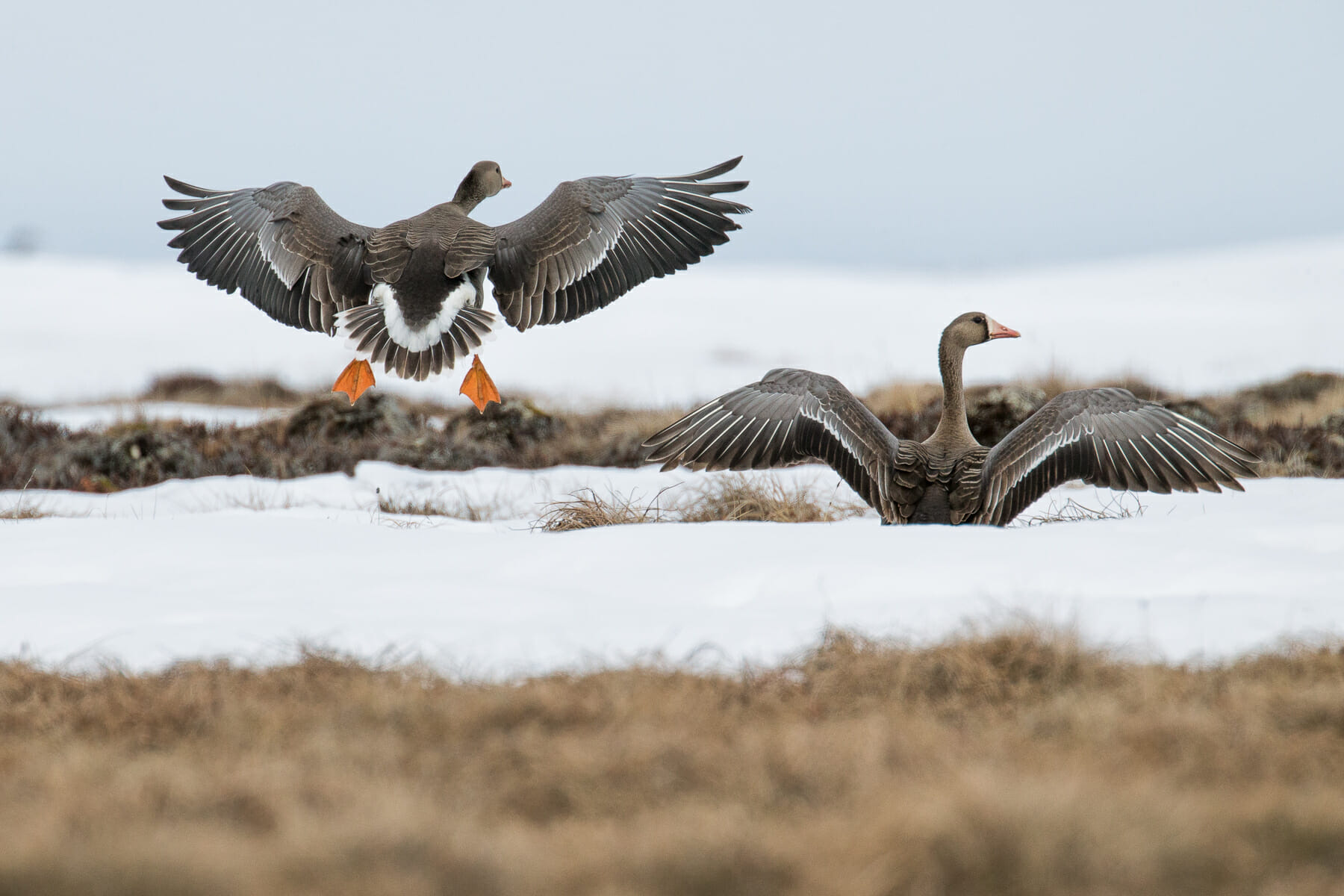
Trip ReportsTeshekpuk Lake is the largest lake on Alaska’s North Slope and the lake is surrounded by wetlands stretching to the Arctic Coast. The Teshekpuk Lake wetlands are likely the most productive and ecologically important wetlands in the entire circumpolar Arctic, supporting nearly one hundred thousand molting geese, 6 million nesting shorebirds, and providing critical habitat…
Read More...
Posted on January 02, 2019 under
General,
Trip ReportsPackrafting was born in Alaska, and the Brooks Range is the perfect place to hike and paddle your way across the wilderness. These light, nimble and mind-bendingly sturdy little boats have expanded the areas we can explore, opening new watersheds to exploration and enjoyment. We’ve been offering our Gates of the Arctic Packrafting trip on the…
Read More...
Posted on November 12, 2018 under
Trip Planning ResourcesCamping in Alaska’s wilderness can be fun for the whole family, provided that you plan your adventure carefully. Most important is to leave enough time for kids to be kids, and to hire a guide. We’ve guided families all over the state on lengthy canoe trips, multi-stop base camp trips, and even arctic rafting trips….
Read More...
Polar Bear Viewing – Best Places in the World
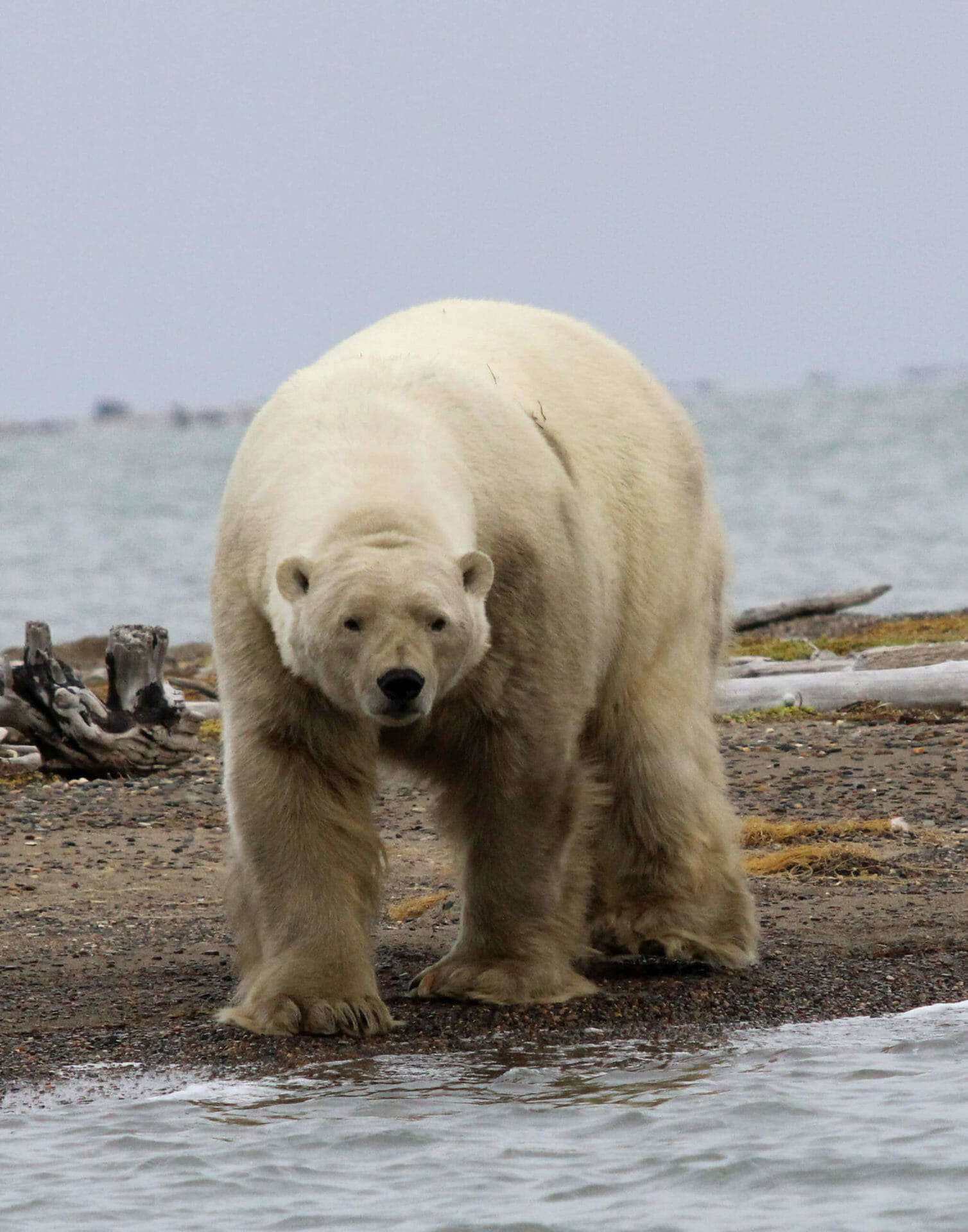
Where is the best place to watch polar bears in the Arctic? Polar bears have been in the news a lot the last few years. Our changing climate will have a huge effect on polar bear biology, behavior, and long-term survival. This has had people calling us with a desire to “see them before they…
Read More...
Posted on October 11, 2018 under
General,
Photography,
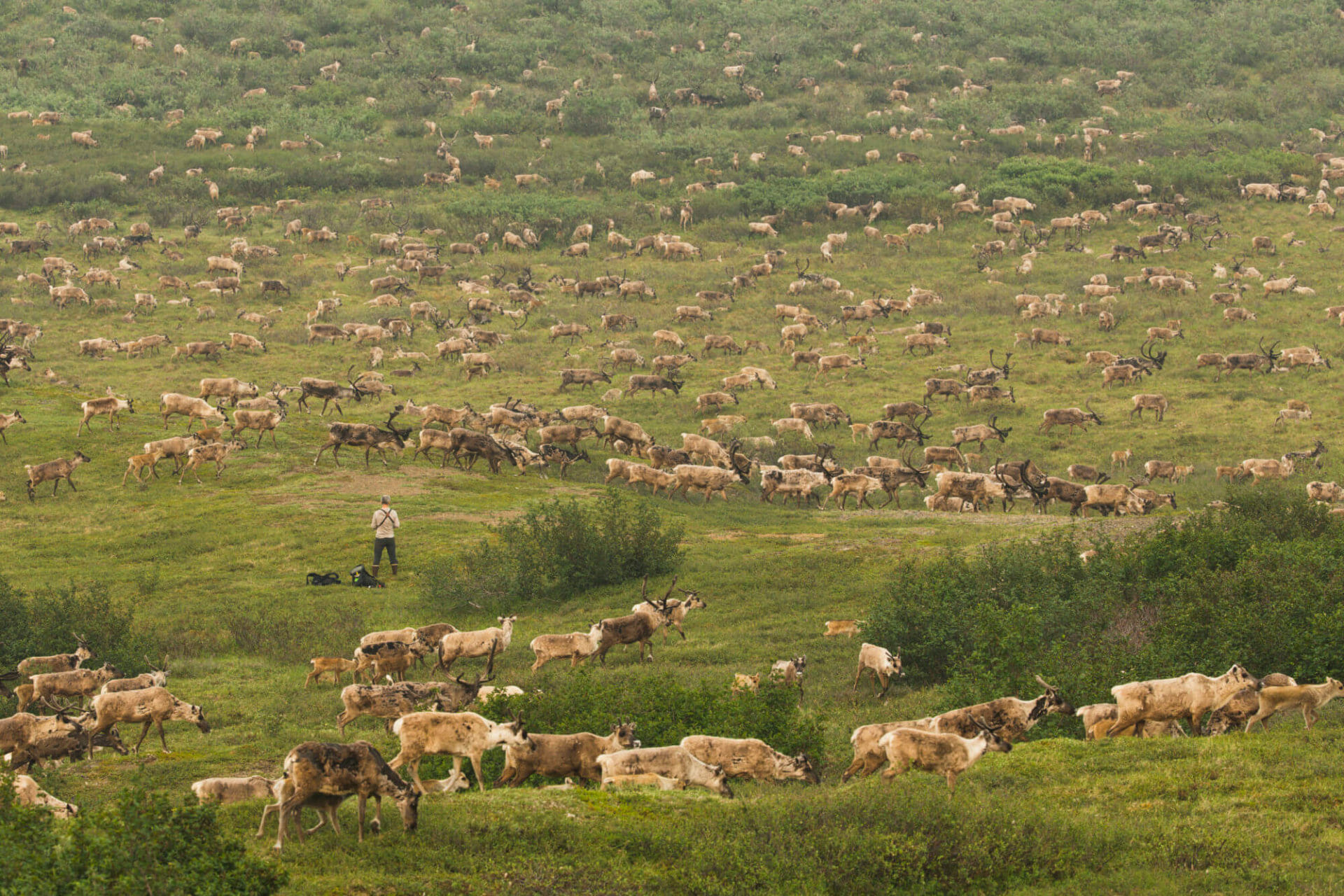
Trip ReportsGreat herds of caribou are a powerful symbol of the Arctic, and camping amongst them is an experience of a lifetime. But their movements are erratic and notoriously hard to predict making it difficult to encounter this wildlife spectacle. After 20 years of guiding in northern Alaska we have developed several trips to help you…
Read More...
Posted on April 11, 2017 under
General,
Trip ReportsIn any civilized place it would have been time to wind-down the day and head for bed. But being 100 miles above the Arctic Circle on the summer solstice with the sun refusing to set and the tundra shimmering with the fresh greens of spring, we had other ideas. It had already been an adventurous…
Read More...
Posted on July 20, 2015 under
Photography,
Trip ReportsWe had the honor to guide Mario Davalos, a photographer from the Dominican Republic this summer. His dream was to photograph 3 iconic species and their wilderness homes. Over the winter we discussed various options for his trip and eventually settled on three locations where we had had good experiences finding wildlife on previous expeditions….
Read More...