Guide Training 2010 / River Safety

By Guide, Co-Owner, and Swift-water Rescue Student, Michael Wald

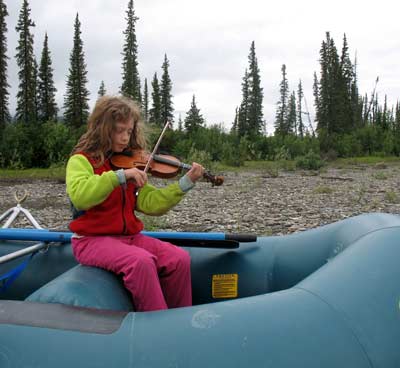
Each and every spring Arctic Wild guides head-out on the riAlaska Rafting Saftey Coursever to hone our skills, shake out the cobwebs and enjoy the camaraderie of camping with our friends/ co-workers. This year Arctic Wild organized a Swiftwater Rescue Course with a fantastic instructor from out of state. For two full days we donned dry-suits while Abi Polsby from Rescue 3 International put us through a series of challenging and informative exercises. We practiced rescue swimming, tossing throw ropes, and flipping rafts back over. We learned new methods for freeing boats stuck on the rocks, new knots, and all about how to keep rafting and canoeing in Alaska as safe as possible. We swam hard in the fast glacial river all day long and stayed up late around the fire telling river stories. Though all of us have spent years and years on the river, every one of us left the course better equipped to deal with emergencies should they arise. And more importantly, I think we gained new skills for avoiding trouble whether paddling the Kugururok, the Hulahula or the frothy Copper River.Alaska River Rescue Class

Stellar guide, Cynthia Merrow summed it up best “What a great life we have that we can act like kids in the river, and still have a ton to learn in our profession.”

A big thanks to our guides for taking the time to improve important skills. And thanks again to Abi for an outrageously fun and informative weekend.

Forecasting Another Great Summer in the Arctic

By Co-Owner and guide Michael WaldArctic Alaska River Trip

As leaves burst from the birches here in Fairbanks and birds begin incubating eggs, we are busy making the final arrangements for our summer in the Brooks Range and beyond. The boats and tents are ready thanks to Bill. Flights are booked with longtime friends Coyote Air and Yukon Air amongst other exceptional pilots. This weekend we are heading down to the Nenana River to participate in a swift-water rescue course that we are hosting and as soon as the pallet of food arrives from the natural foods distributor we can begin packing our bags for the first trips of the year.

In the news we read that tourism in Alaska is down by nearly 40% and we have had some anxious times this winter wondering if trips would fill. Contrary to the news, people from all over the world continue to call us up and inquire about seeing this vast and unspoiled Alaska landscape, rich with human and natural history. I’d like to think that our trips are a breed apart and that the desire for truly wild landscapes does not waver. It is heartening to see so many people prioritizing wilderness, and more and more people are bringing the whole family.

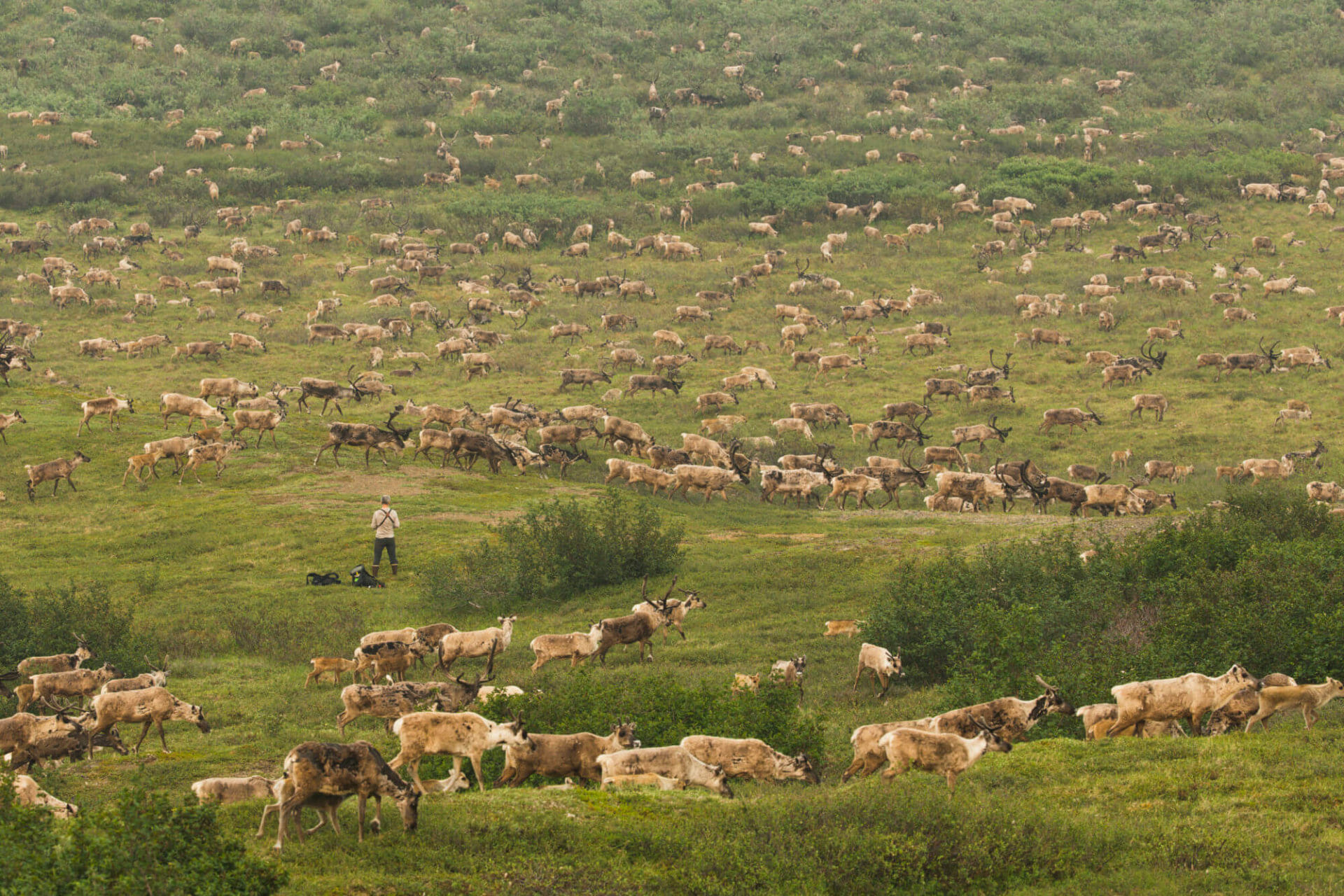
Our June trips are nearly full and we are looking forward to a very busy July exploring Katmai, Lake Clark,Rafting in Wrangell St. Elias National Park and Wrangell St. Elias National Parks with a series of custom trips. Our new wildlife base camp trip where we will intercept the Porcupine Caribou Herd is poised to be a new classic. And I’m excited to be guiding a totally exploratory canoe trip on the Nuka River in the upper Colville. Check back in July to see what we find.

But fear not, we still have space available all summer long if you want to join the fun.

In July you could explore the Arctic National Wildlife Refuge on our High peaks Backpack. Or  head by plane and boat to the far flung Aleutians for a week of hot-springs and hiking.

As you can see by reading through this blog we had a great winter, between lighting lake methane, pack rafting in Kauai, repairing rafts, crabbing in Haines, and taking a winter trip to the North-slope. But summer in Alaska just can’t be beat and I’m excited to get back on the tundra and rivers. I hope you will join us.

Arctic Oil Spill

Arctic Oil SpillBy Dan Ritzman-  Guide and Blogger

The Deepwater Horizon oil disaster in the Gulf of Mexico reminds us that the price of offshore oil drilling is the constant risk of environmental devastation. In Alaska, we know this through bitter experience. Just over 21 years ago the Exxon Valdez ran aground on Bligh Reef and spilled 11 million gallons of oil into the pristine waters and rich fishing grounds of Prince William Sound. The economies of those affected fishing villages have never recovered, and to this day if you walk the beaches of the Sound and dig down you can still find oil.

Now, even as skimmers and fishing boats scramble in the Gulf to try to keep the oil from shore, another fleet is preparing to set sail for America’s Arctic Ocean–to drill for more oil. Interior Secretary Ken Salazar has authorized exploratory drilling in the fragile arctic waters in less than 60 days. The Minerals Management Service–the same Interior Department division that okayed BP’s Gulf drilling project with no environmental review–acknowledges that a large spill in the Arctic could have terrible consequences, but concludes that the chance of such a spill is “too remote and speculative an event” to warrant analysis.

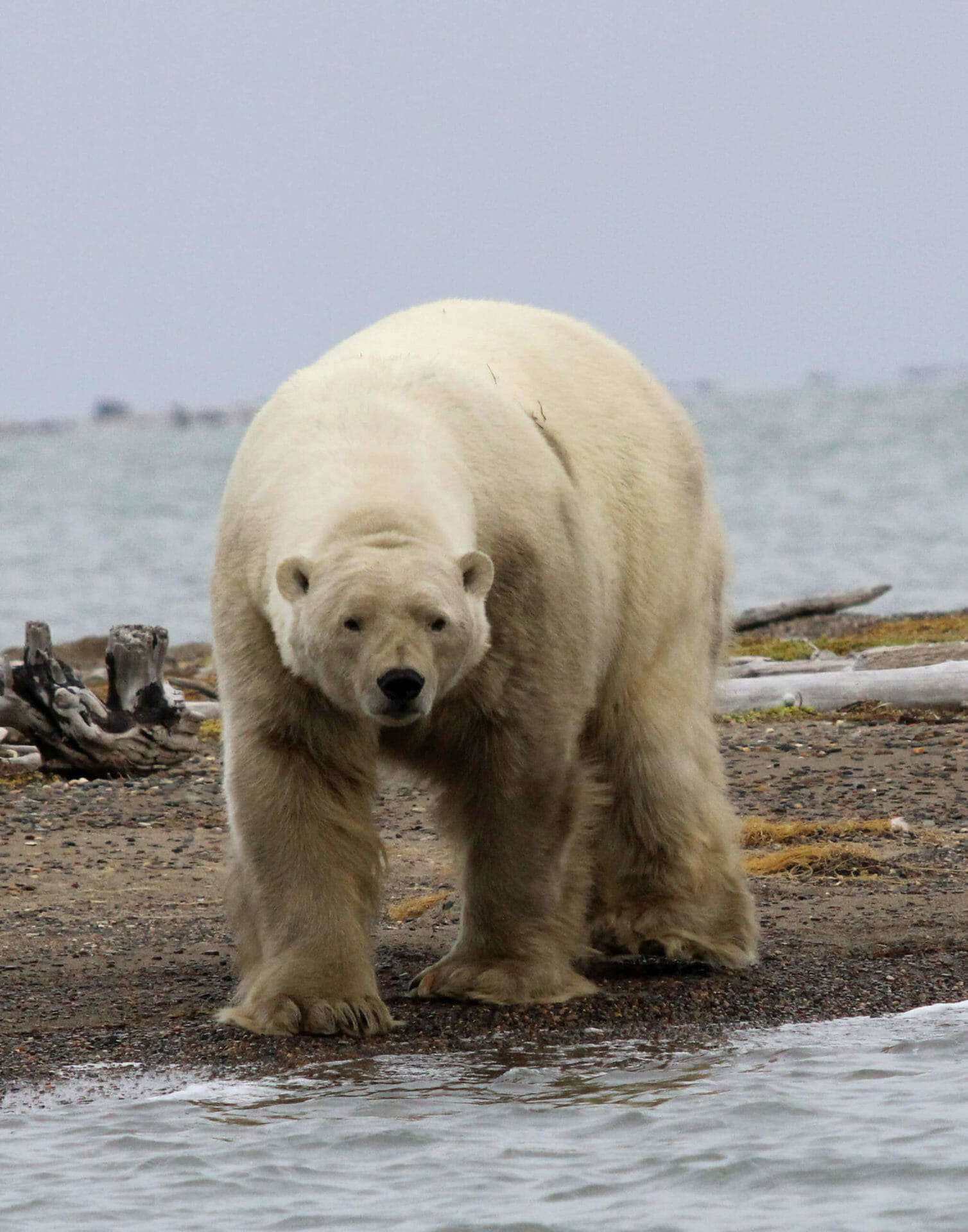
I have been fortunate in my life to spend time in arctic Alaska. This remote region is one of the wildest spots left on the globe. I’ve watched walrus gather on ice floes, puffins “fly” through the water, and polar bears prowl the ice edge. I have traveled with Alaska Native people, who have lived on these lands and waters for hundreds of generations, and listened as they describe their connections to this land and importance of these animals to their culture and subsistence. A major spill could leave oil in these waters for decades, killing whales, seals, and fish, and bringing to an end Alaska Natives’ ancient way of life.

The Arctic is already paying the price for our fossil fuel habit. Northern Alaska is warming at twice the rate of the lower 48. The people of the North Slope see the impacts every day–in loss of sea ice, changes in animal abundance and behavior, and the loss of important subsistence opportunities. To see the impacts of oil development they need only look at Prudhoe Bay, one of the world’s largest industrial complexes. Hundreds of spills involving tens of thousands of gallons of crude oil and other petroleum products occur annually. Decades-old diesel spill sites still show little vegetation re-growth. Gravel fill, excavation, and waste disposal alone have destroyed 17,000 acres of wildlife and marine habitat.

Now big oil is working to push this development offshore. Should an oil spill happens here, the response capabilities are a fraction of what is now proving inadequate in the Gulf. There, within 24 hours, 32 spill-response vehicles, 1 million feet of containment boom, and at least six firefighting vessels were able to muster. If a similar situation occurred in the Chukchi Sea, there would be only 13 spill-response vehicles, less than 3,000 feet of containment boom, and a single firefighting system.

The White House has pledged that no additional offshore drilling would be authorized until a government investigation into the Gulf of Mexico disaster is complete. This pledge must include Shell’s  upcoming drilling in the Chukchi Sea. Next, we must move America as quickly as possible to a clean energy economy. Rather than drilling in the Arctic ocean or Gulf of Mexico, we can embrace 21st century sustainable energy solutions that make cars go farther, promote conservation, invest in clean, renewable energy, and protect our natural heritage.

The Arctic–for now–is still vibrant and alive. When I visit the Arctic coast next month I’ll see sandpipers who have flown over the Gulf oil spill on their way back to their summer home where they will hatch a new generation. President Obama must act now to ensure that their home is not sacrificed to tomorrow’s oil disaster.

https://secure2.convio.net/sierra/site/Advocacy?cmd=display&page=UserAction&id=4358